
Protecting Transactions From Start to Finish
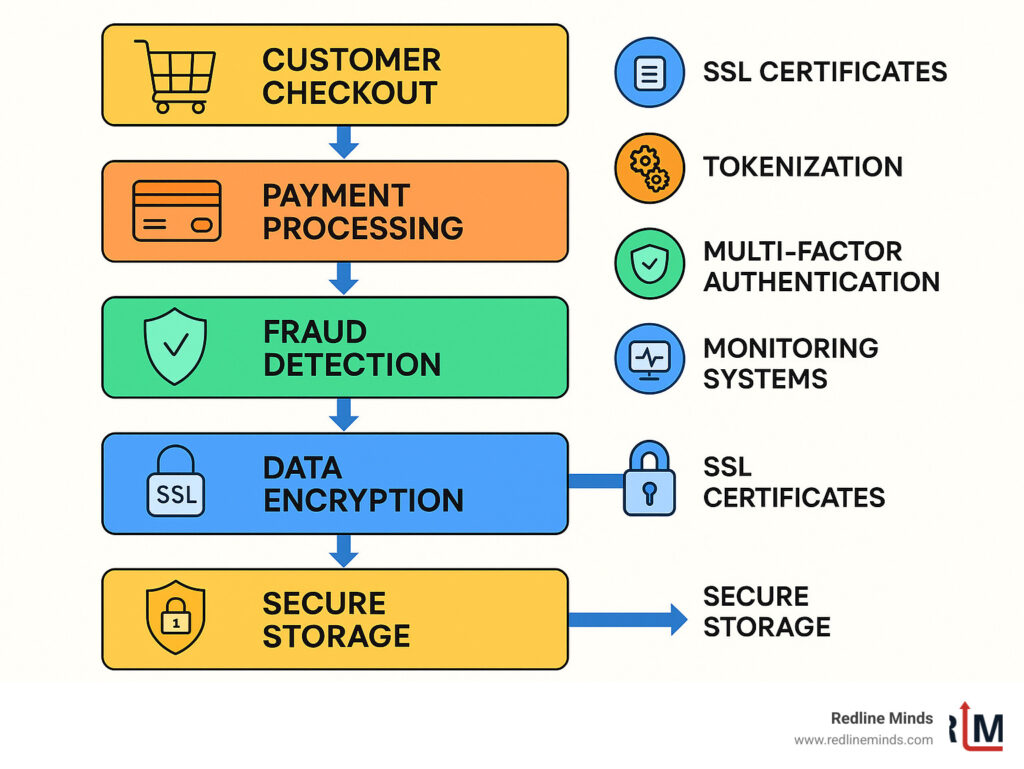
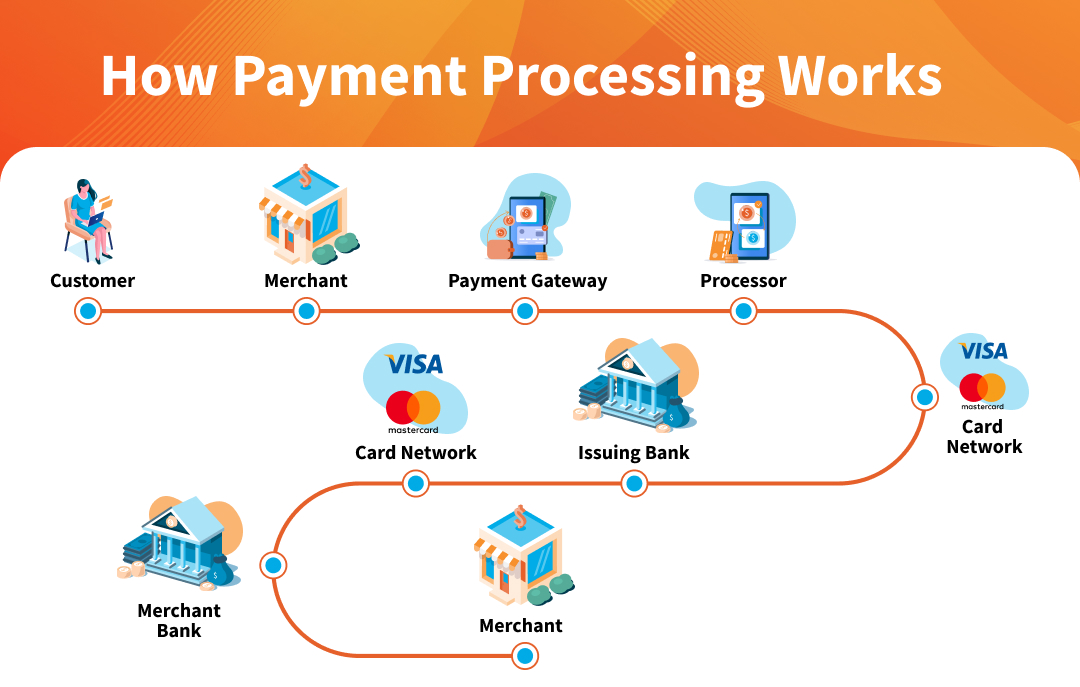
Online payment processing involves several systems that work together to transfer transaction information between a customer, a merchant, payment providers, and financial institutions. Security checks help ensure that transactions are handled appropriately and that sensitive information is protected.
For digital gaming platforms, payment security is particularly important because users may deposit funds, request withdrawals, or manage account balances online. The exact requirements depend on the payment method, jurisdiction, and service provider.
Verifying Payment Requests
When a user begins a transaction, the platform typically checks whether the request contains the required information and whether the account is permitted to perform the action.
Payment providers may apply additional controls, including authentication, fraud screening, transaction limits, and risk-based checks. Some transactions require an extra verification step, while others may be approved through an existing authentication process.
These checks help identify suspicious activity, but they do not guarantee that every fraudulent transaction will be detected.
Encryption and Sensitive Information
Payment systems use security measures to protect information while it moves between connected services. Encryption helps prevent unauthorized parties from reading data during transmission when it is implemented correctly.
Platforms can also reduce risk by limiting the sensitive payment information they store. In some systems, tokenization replaces a payment credential with a substitute value that can be used for approved processing without exposing the original credential in every transaction.
Access controls, secure software updates, monitoring, and careful handling of credentials are additional parts of a broader payment-security strategy.
Fraud Monitoring and Transaction Records
Automated monitoring can identify unusual patterns, such as repeated failed attempts, unexpected changes in transaction behavior, or requests that conflict with established account information.
A flagged transaction may require additional verification or review. The system must balance security with usability because excessive checks can create unnecessary friction for legitimate customers.
Accurate records are also essential. Transaction identifiers, timestamps, status changes, and reconciliation processes help support investigations when a payment is delayed, duplicated, rejected, or reversed.
Security Does Not End at Authorization
A successful authorization does not necessarily mean that every stage of a transaction is complete. Payment processing may include settlement, account updates, reconciliation, and later handling of disputes or reversals.
Platforms need clear procedures for these stages so that the transaction status shown to the user matches the actual state of the payment.
A Layered Approach to Payment Safety
Online payment security relies on multiple safeguards rather than a single check. Authentication, encryption, fraud monitoring, access control, and accurate records each address different risks.
When these measures are designed as part of a coordinated system, payment processing becomes more resilient and easier to audit. Security must remain an ongoing engineering responsibility as threats, payment methods, and regulatory requirements change.
One Reply to “How Security Checks Shape Online Payment Processing”