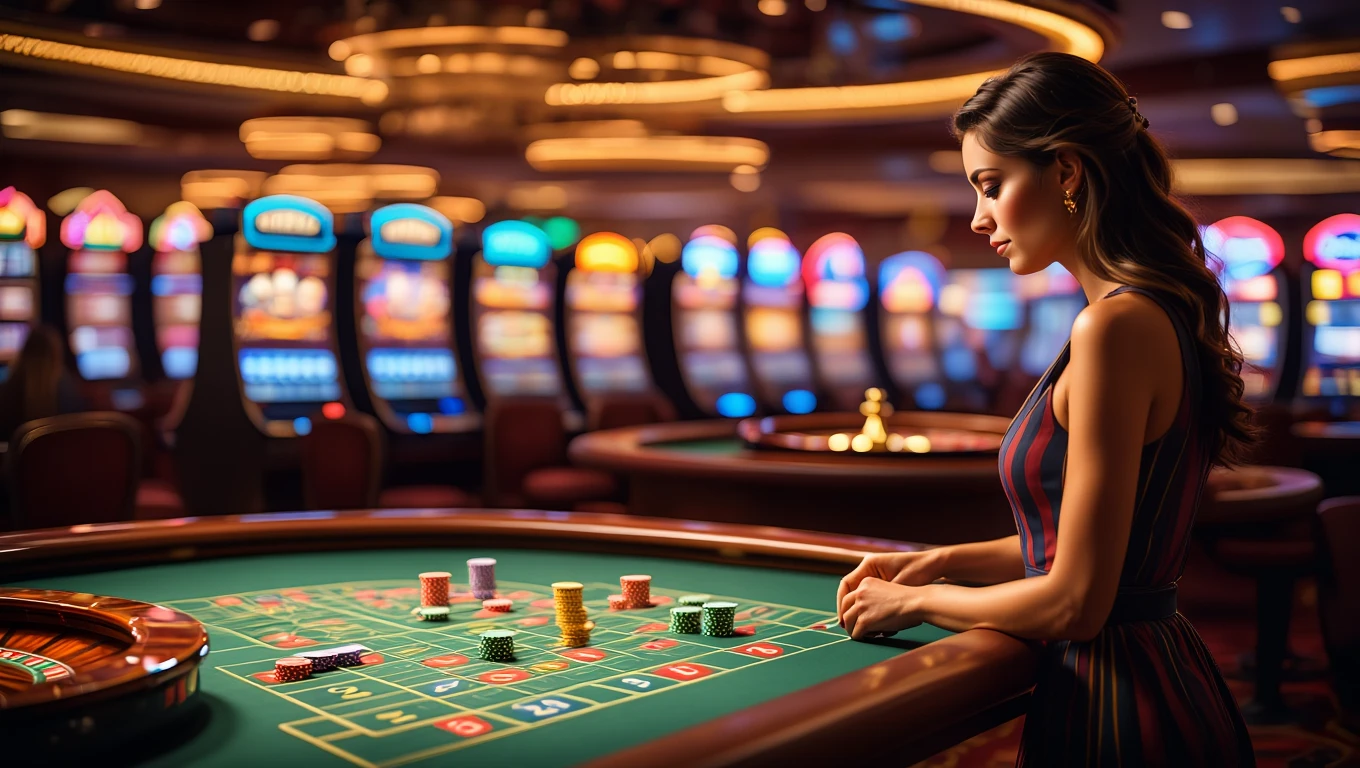
There is a quiet meeting point inside every casino where human behavior and system design come together in a very smooth and almost invisible way, and this meeting point shapes how people move, how they feel, and how long they stay without them even realizing it in the moment.
A person may believe they are simply making independent choices while walking through the space, yet those choices are happening inside an environment that has been carefully arranged to respond to natural human tendencies like curiosity, excitement, and attention.
This connection does not feel forced or artificial, because it works gently, allowing the experience to feel natural while still guiding behavior in subtle ways.
The Environment Is Designed Around Human Nature
How Space, Light, and Sound Guide Attention
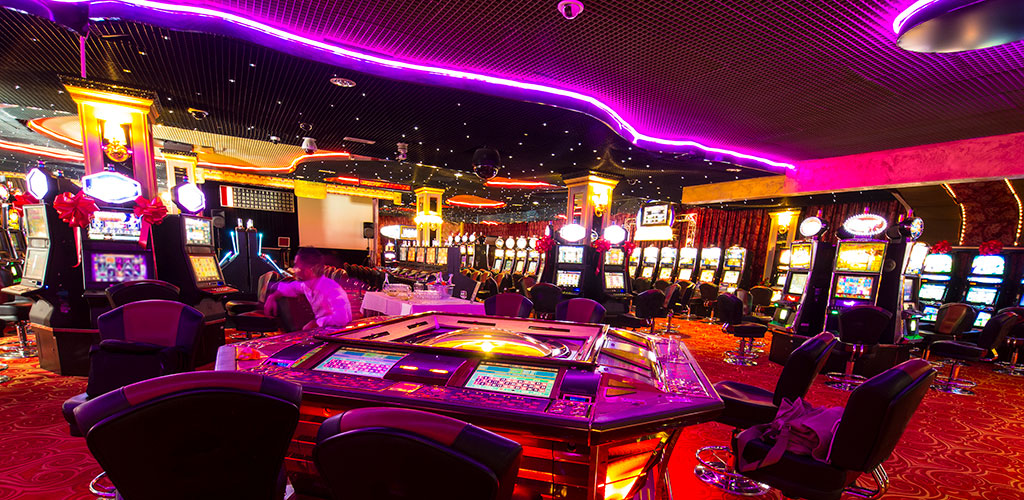
When a person enters a casino, they step into an environment where every element has been thoughtfully arranged to match how human attention naturally works, and this includes lighting that draws the eye, sounds that create a sense of activity, and layouts that make movement feel easy and continuous. These elements are not random, because they are based on how people respond to visual and sensory signals, which means the environment itself becomes a quiet guide that shapes behavior without needing direct instruction.
These visuals show how lighting patterns, sound zones, and layout flow work together to guide attention and movement inside a casino environment.
Why the Experience Feels Smooth and Continuous
The design often removes clear stopping points by keeping the environment active and connected, so that one area naturally leads to another without interruption, and this creates a sense of flow that feels comfortable for the player.
Because humans tend to follow paths that feel easy and natural, this smooth structure encourages continuous engagement without making the person feel directed. The system supports behavior by making the next step feel obvious without needing to be decided consciously.
Behavior and System Influence Each Other
The System Responds to Human Patterns
Casinos are built on a deep understanding of repeated human behaviors, such as the tendency to continue after small wins, the desire to complete unfinished experiences, and the way attention shifts toward movement and sound, and this understanding shapes how the system presents experiences to players.
The system does not change itself in real time for each individual, but it is built from patterns observed across many people, which allows it to feel familiar and responsive to human nature.
Players Adapt to the System Over Time
As players spend more time in the environment, they begin to adjust their behavior to match the rhythm and structure of the space, often without noticing the change, because familiarity makes the environment feel comfortable and easy to navigate.
Over time, the player’s habits begin to align with the system, creating a loop where behavior fits the design and the design supports the behavior. This creates a balanced interaction that feels natural rather than controlled.
Small Design Details Create Big Effects
Subtle Signals Shape Decisions
Even very small design choices can have a strong influence on behavior, because the human mind is sensitive to patterns and signals, and these signals guide attention and movement in ways that are often not consciously noticed.
For example, a slightly brighter area may draw more people, a certain sound may signal activity, and the placement of machines can influence where players choose to go next. These details work quietly but consistently.
These visuals highlight how small environmental changes like light intensity, sound placement, and positioning can influence movement and engagement.
Why These Effects Feel Natural
Because these design elements match natural human responses, they do not feel like external control, but instead feel like part of the environment itself, which makes them more effective. The player feels free in their decisions, even though those decisions are being gently guided by the structure around them. This balance between freedom and influence is what makes the system work so smoothly.
Data and Behavior Patterns
Understanding this interaction becomes clearer when we look at how human behavior tends to repeat in structured environments.
| Behavior Pattern | Typical Response | System Design Support |
|---|---|---|
| Curiosity | Moves toward active areas | Bright lighting and sound cues |
| Repetition | Continues after small wins | Continuous play design |
| Focus | Attention narrows over time | Minimal distractions in layout |
| Flow state | Loses track of time | Lack of clocks and windows |
Studies in behavioral design show that environments that reduce interruptions can increase engagement time by up to 30 to 40 percent, which highlights how powerful these subtle design choices can be in shaping human activity.
A Simple Interaction Model
To better understand how behavior and design work together, we can look at a simple cycle.
| Step | What Happens | Result |
|---|---|---|
| Environment presents cues | Light, sound, layout attract attention | Player moves and engages |
| Player responds | Actions based on curiosity or emotion | Interaction continues |
| System reinforces flow | Smooth transitions, no interruptions | Engagement deepens |
| Behavior adapts | Player follows rhythm of system | Cycle repeats |
This cycle continues quietly, creating a seamless experience where both sides influence each other without clear boundaries.
Real Perspective from Players
Many players describe the experience in simple but revealing ways.
“It feels like everything just flows, like I do not have to think about where to go next, it just happens.”
This kind of reflection shows how the system removes effort from decision making, allowing behavior to follow a natural path that feels easy and comfortable.
Understanding the Balance

Awareness Creates Clarity
When a person begins to notice how the environment influences their behavior, they gain a clearer understanding of their own actions, because they can see both their internal decisions and the external factors that shape them. This awareness does not remove the experience, but it adds a layer of understanding that allows for more thoughtful engagement.
The System Does Not Replace Choice
It is important to understand that the system does not take away freedom, because the player still makes every decision, but those decisions are happening within a structure that gently guides attention and movement. The balance between choice and design is what creates the unique experience found in casinos.
A Deeper Truth About the Experience
There is a simple and meaningful truth at the center of all of this, which is that casinos are not only places of games and chance, but environments where human behavior and system design meet in a very careful and thoughtful way, shaping each moment through a combination of natural tendencies and structured space.
The design works quietly, supporting behavior without forcing it, while behavior responds naturally to what feels comfortable and engaging.
When this connection becomes clear, the experience itself begins to feel different, because the player is no longer only reacting to the moment, but also understanding how that moment is being shaped. This creates a sense of balance, where awareness and experience exist together.
And as that awareness grows, the player gains a deeper sense of control, not by resisting the environment, but by understanding it, allowing them to move through the experience with clarity, intention, and a stronger connection to their own decisions.